Text & media
Hair loss is a common concern affecting millions of people worldwide. While it is often seen as a cosmetic issue, it can have profound psychological and social effects, influencing self-esteem and quality of life. For those exploring solutions, hair transplantation has emerged as a well-established treatment option. In London, clinics offer a range of procedures, including follicular unit extraction (FUE), follicular unit transplantation (FUT), and Direct Hair Implantation (DHI). Understanding these procedures, along with the practical considerations of choosing a clinic, is essential for making an informed decision.
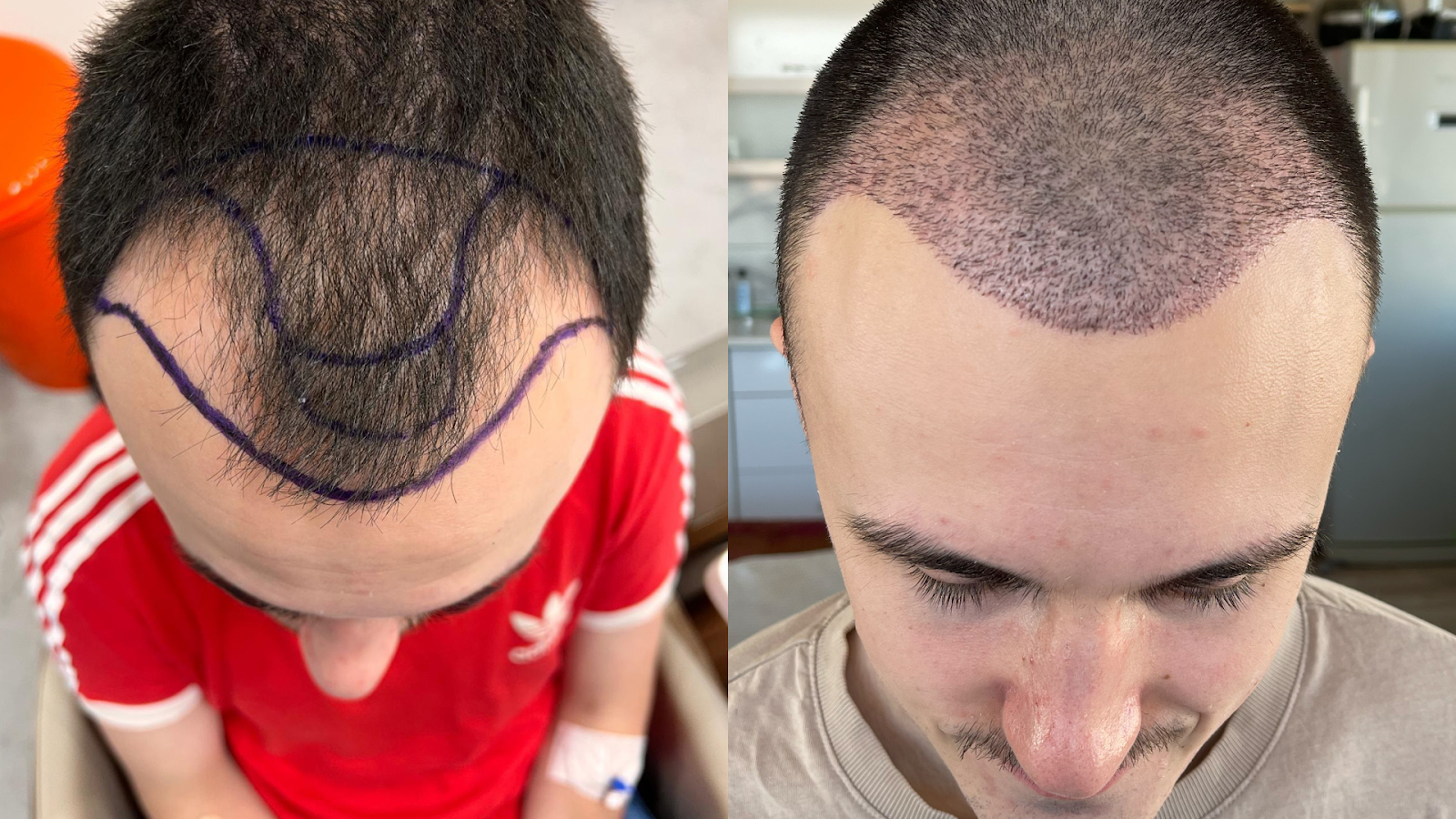
Understanding Hair Loss and Hair Transplantation
Hair loss, or alopecia, can result from multiple factors, including genetics, hormonal changes, autoimmune conditions, stress, and nutritional deficiencies. The most common type in adults is androgenetic alopecia, often referred to as male or female pattern baldness. Hair loss typically progresses gradually, but the rate and pattern vary significantly between individuals.
Hair transplantation is a surgical procedure that moves hair follicles from a donor area—usually the back or sides of the scalp—to thinning or bald areas. This approach is most effective for permanent hair loss rather than temporary shedding caused by illness or stress. It is important to note that hair transplantation does not prevent ongoing hair loss, so some patients may require maintenance treatments or supplementary therapies such as minoxidil or finasteride.
Modern transplantation techniques focus on minimally invasive methods to achieve natural results. Patients seeking hair restoration should first undergo a thorough consultation to assess the extent of hair loss, donor area quality, scalp health, and overall medical suitability. A comprehensive evaluation ensures realistic expectations and a personalized treatment plan.
Modern Hair Transplant Approaches
Follicular Unit Extraction (FUE)
FUE is a widely used technique where individual hair follicles are harvested from the donor area and implanted in the thinning regions. The procedure involves tiny circular incisions, leaving minimal scarring. Recovery typically involves mild redness and swelling for a few days, with transplanted hair shedding temporarily before new growth begins within 3–4 months. FUE is favored for its precision and natural-looking results.
Follicular Unit Transplantation (FUT)
FUT involves removing a strip of scalp from the donor area, from which individual follicles are dissected and transplanted. This method can yield a higher number of grafts in a single session but leaves a linear scar that may be visible if hair is kept very short. Recovery may be slightly longer compared to FUE, and patients need to follow post-operative care instructions carefully to avoid complications.
Direct Hair Implantation (DHI hair transplant London)
DHI is a variation of FUE, in which hair follicles are implanted directly into the recipient area using a specialized pen-like device, avoiding the need for pre-made incisions. Advocates highlight the potential for increased precision and reduced handling of grafts, which may improve survival rates. While DHI can offer natural results, it is not universally superior to other methods, and suitability depends on individual hair characteristics and clinical assessment.
Non-Surgical Alternatives
Patients should also be aware of non-surgical options, such as medications like minoxidil or low-level laser therapy. These approaches may slow hair loss and, in some cases, promote regrowth but do not replace transplantation for significant baldness. An integrated approach combining surgery and medical management may be recommended in certain cases.
Patient Considerations When Choosing a Clinic
Selecting a hair transplant clinic in London requires careful research beyond marketing claims. Key considerations include:
Clinical Expertise: Look for surgeons with formal training, experience, and a record of performing the specific technique you are considering. Board certification in dermatology or plastic surgery is an indicator of formal medical oversight.
Consultation Quality: A responsible clinic provides a detailed consultation, explaining procedure options, risks, limitations, and expected outcomes. It should include realistic discussion about graft numbers, donor hair availability, and potential need for future procedures.
Safety and Hygiene Standards: London clinics must adhere to strict infection control standards. Verify that the facility is registered with the Care Quality Commission (CQC) or relevant regulatory bodies.
Patient Experiences: Reviews and testimonials provide insight into the patient journey, though individual experiences vary. Consider both positive and negative feedback and seek clinics that encourage follow-up consultations.
Cost Transparency: Pricing should be clearly outlined, including procedure fees, follow-up care, and any ancillary costs. Avoid clinics that offer unusually low rates without detailed explanation, as this may indicate compromised quality.
Treatment Planning: The clinic should tailor the plan to the patient’s hair characteristics, scalp condition, and long-term expectations.
By approaching the decision methodically, patients can reduce the risk of dissatisfaction and ensure safer outcomes.
Recovery and Expectations
Post-operative recovery varies depending on the method used. FUE and DHI procedures typically involve mild pain, redness, and swelling, which usually resolve within 5–10 days. FUT may involve longer healing time due to the incision site. Patients are advised to avoid strenuous exercise, sun exposure, and direct scalp trauma in the first two weeks.
Hair growth after transplantation occurs in phases. Initially, transplanted hairs may shed within a few weeks—a normal process known as “shock loss.” New hair typically begins to emerge around three months, with visible improvements at six months, and full results may take up to 12–18 months. Realistic expectations are essential: density may not match native hair completely, and multiple sessions may be needed for extensive baldness.
Potential risks, although relatively low when performed by experienced surgeons, include infection, scarring, unnatural hair angles, and uneven growth. Patients must follow post-operative instructions closely, attend follow-up visits, and report any complications promptly.
Conclusion
Choosing a hair transplant clinic in London is a multifaceted decision that requires careful research, realistic expectations, and informed discussion with qualified medical professionals. Understanding different techniques—including FUE, FUT, and DHI hair transplant London—along with their benefits, limitations, and recovery timelines, empowers patients to make decisions aligned with their personal goals and safety. With proper planning, hair transplantation can restore not only hair but also confidence and well-being, provided patients approach the process with patience and medical guidance.
FAQs
1. How long does a DHI hair transplant procedure take?
The duration depends on the number of grafts needed. Typically, a session lasts 4–8 hours, sometimes extending to multiple sessions for extensive hair loss.
2. Is hair transplantation permanent?
Transplanted hairs are generally permanent, as they come from areas resistant to hair loss. However, natural aging or ongoing hair loss in untreated areas may affect overall appearance.
3. Are there age restrictions for hair transplantation?
While there is no strict age limit, most surgeons prefer patients with stabilized hair loss patterns. Younger patients may require careful planning to avoid premature recurrence.
4. What should I expect during the consultation?
A thorough assessment includes scalp examination, medical history review, discussion of treatment options, explanation of risks, and personalized recommendations for hair restoration.
5. Can non-surgical treatments replace hair transplantation?
Non-surgical treatments can slow hair loss or promote limited regrowth but are generally insufficient for significant baldness. Surgery remains the primary option for permanent restoration.