Text & media
The Assumption That Everything Is Under Control
In many businesses, fire safety is considered “handled” as long as alarms, sprinklers, and extinguishers are installed. This assumption works until the moment those systems stop functioning or a high-risk activity changes the safety landscape.
A distribution center once delayed arranging fire watch while its alarm system was being repaired overnight. The logic was simple: “It’s just a few hours.” During that window, a small electrical issue escalated into a fire that could have been detected earlier. The damage wasn’t just physical it disrupted operations for weeks. Finding trusted Fire Watch Services Near Me can help you stay prepared for unexpected fire system outages.
This is the gap many organizations overlook. Fire watch services are not just for worst-case scenarios; they are designed to protect during the exact moments when risk quietly increases.
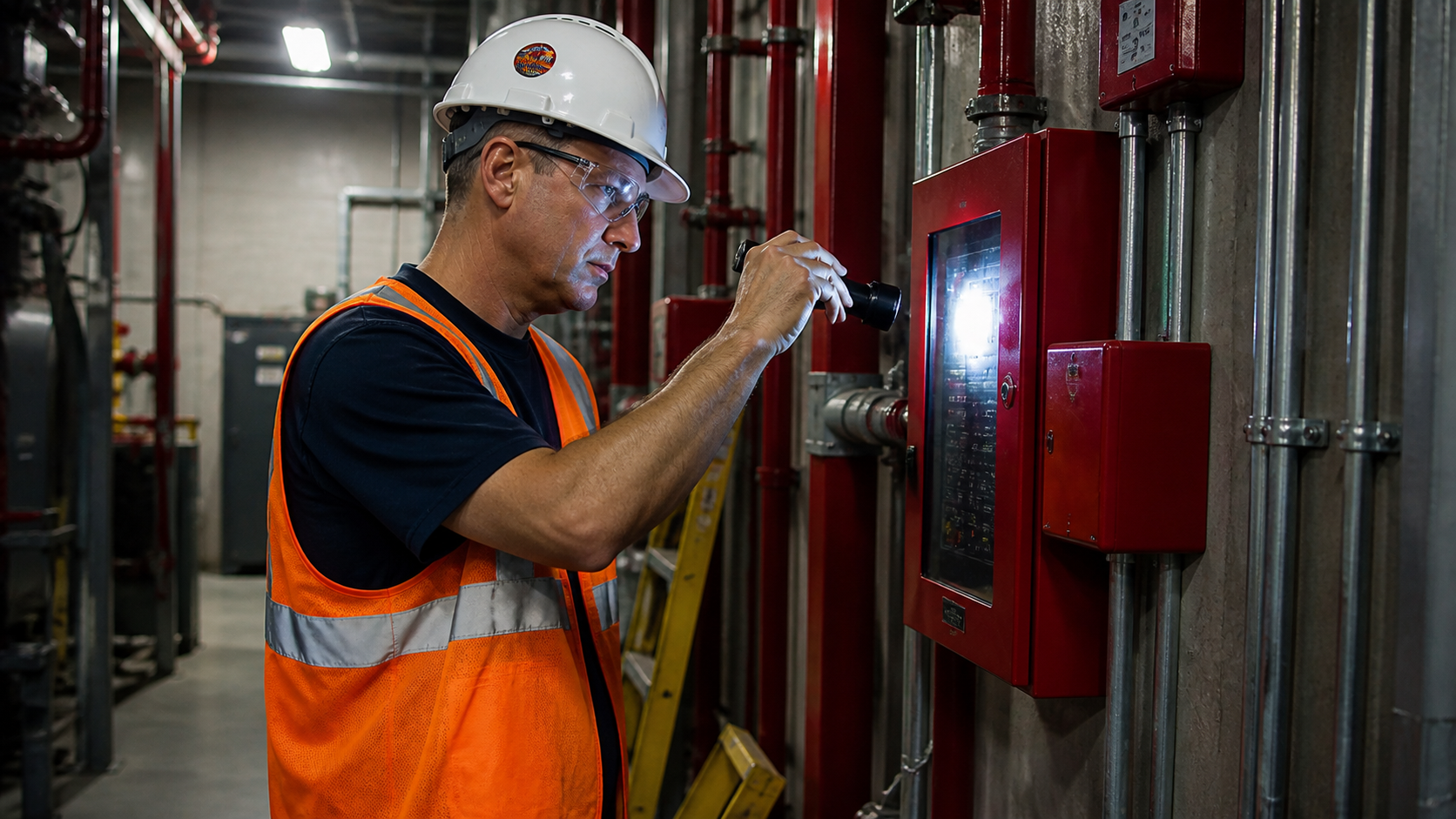
The Most Common Misunderstanding: Fire Watch Is Only for Emergencies
One of the biggest misconceptions is that fire watch is only needed after something goes wrong. In reality, it is often required before an incident occurs specifically when conditions increase the likelihood of fire.
Fire watch is a structured process where trained personnel monitor a property continuously when:
Fire protection systems are offline
Hazardous activities are underway
Authorities require additional oversight
This type of fire risk monitoring ensures that safety does not depend solely on systems that may not be fully operational.
Overlooked Scenario #1: “It’s Just Temporary”
Short-term system outages are often underestimated. Businesses may assume that a few hours without alarms or sprinklers won’t make a difference.
However, fire risk does not operate on a schedule.
What Actually Happens:
Detection systems are unavailable
Small hazards go unnoticed
Response times increase
This is why fire watch requirements typically apply immediately when systems are impaired regardless of how short the downtime may be.
Overlooked Scenario #2: Construction Zones Inside Active Buildings
Renovation projects inside occupied buildings create a unique challenge. Normal operations continue while new risks are introduced.
Common Risks Include:
Temporary electrical setups
Accumulation of flammable materials
Restricted access to exits
Without proper monitoring, these risks can remain hidden. Fire watch bridges the gap between ongoing work and operational safety.
Overlooked Scenario #3: Hot Work Is More Dangerous Than It Looks
Welding or cutting may seem controlled, but sparks can travel farther than expected and ignite materials outside the immediate work area.
Many businesses focus only on the task itself, not the surrounding environment.
Fire watch guards are trained to monitor:
The active work zone
Adjacent areas where heat may spread
Post-work conditions to ensure no residual ignition occurs
This extended observation is often overlooked but critical.
What Fire Watch Guards Actually Prevent
It’s easy to think of fire watch as a compliance requirement, but its real value lies in prevention.
Fire Watch Guards Help Stop:
Electrical overheating before ignition
Smoldering materials from developing into flames
Blocked exits that delay evacuation
Unsafe conditions during high-risk activities
Their role is proactive. They identify patterns and warning signs that automated systems may not detect immediately.
The Compliance Angle Businesses Often Realize Late
Regulatory compliance is another area where businesses underestimate fire watch.
Key Authorities Involved:
OSHA (Occupational Safety and Health Administration)
Requires hazard control during high-risk operationsNFPA (National Fire Protection Association)
Provides standards for maintaining safety during system impairmentsLocal Fire Marshals
Enforce fire watch requirements based on property conditions
Failure to meet fire safety compliance standards can lead to:
Immediate fines
Forced shutdowns
Delays in project approvals
Increased liability during incidents
In many cases, businesses only realize these requirements after being notified by authorities.
The Real Cost of Delayed Action
One of the most overlooked aspects of fire watch is the cost of not implementing it on time.
Direct Costs:
Property damage
Equipment loss
Business interruption
Indirect Costs:
Reputation damage
Insurance complications
Legal consequences
What appears to be a cost-saving decision delaying fire watch can result in significantly higher losses.
How Fire Watch Works During System Failures
When fire protection systems fail, the building essentially loses its automatic detection and response capability.
This is where emergency fire watch becomes critical.
On the Ground, This Means:
Continuous patrols without gaps
Increased monitoring frequency
Immediate communication with authorities
Detailed documentation of all observations
Fire watch replaces automated detection with human vigilance, ensuring that risks are still identified in real time.
What Businesses Should Look for (But Often Don’t)
Choosing fire watch services is not just about availability it’s about effectiveness.
Often Overlooked Factors:
Training Quality
Guards should understand fire behavior, not just follow routinesSite-Specific Planning
Each property has unique risk zones that need tailored monitoringDocumentation Accuracy
Logs are essential for compliance and auditsResponse Readiness
Guards must be able to act immediately, not just reportCommunication Efficiency
Quick coordination with emergency services is critical
Ignoring these factors can reduce the effectiveness of fire watch, even if it is technically in place.
Why Modern Businesses Are More Vulnerable Than Before
Today’s operational environments introduce new challenges that increase fire risk:
Higher electrical loads from advanced equipment
Increased use of synthetic and combustible materials
Frequent system upgrades and maintenance
Complex building layouts with multiple risk zones
These factors create more situations where fire protection systems may be temporarily unavailable or less effective.
As a result, fire watch is becoming a more frequent and necessary part of safety planning.
The Difference Between Awareness and Action
Many businesses are aware of fire watch but awareness alone is not enough. The real difference lies in how quickly and effectively action is taken.
Delays often occur because:
The risk is underestimated
The situation is considered temporary
Responsibilities are unclear
However, fire risk does not wait for decisions. It exists in real time and requires immediate attention.
Final Thoughts: What You Don’t See Can Hurt You
Fire watch services are often overlooked because they operate in the background quietly monitoring, documenting, and preventing incidents before they occur. Businesses tend to recognize their importance only when systems fail or risks become visible. By then, the window for easy prevention may have already passed. Understanding the role of fire watch early allows organizations to act proactively rather than reactively. It ensures that even during system outages, construction work, or high-risk operations, safety remains continuous. In the end, the true value of fire watch lies in what it prevents small, easily missed risks that could otherwise grow into major disasters.