Text & media
In industries where fire risk is ever-present, ensuring constant vigilance can mean the difference between minor incidents and catastrophic losses. Businesses under time pressure usually compare Fire Watch Companies that offer fast deployment and consistent on-site oversight. Choosing among Fire Watch Companies Near Me becomes more important when a fire marshal requirement must be addressed quickly. From manufacturing plants to large-scale construction projects, fire watch services act as a vital safeguard when standard fire protection systems are offline or under maintenance. This guide dives deep into what makes a fire watch service essential, when it is required, and how to identify providers who deliver both compliance and operational reliability.
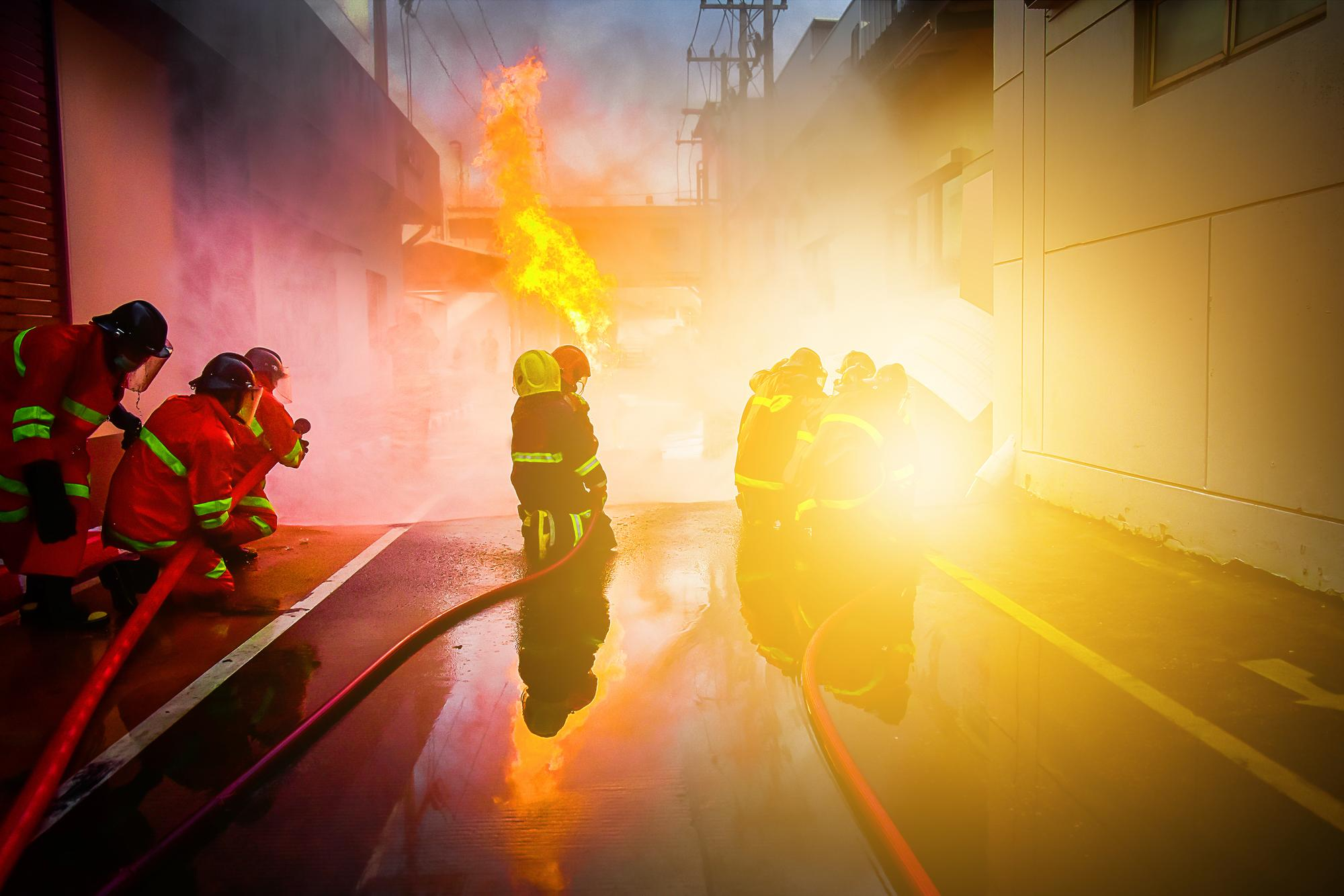
Understanding Fire Watch Services
At its core, a fire watch is a safety measure where trained personnel monitor premises for fire hazards and take immediate action if a fire occurs. Fire watch guards are tasked not only with detection but also with enforcing safety protocols, such as clearing combustible materials, ensuring fire exits are unobstructed, and maintaining accurate incident logs.
Key responsibilities include:
Continuous visual inspection of high-risk areas
Immediate reporting to local fire authorities in case of an emergency
Monitoring and maintaining fire detection equipment when systems are temporarily offline
Educating staff about temporary safety measures
By providing this proactive layer of protection, fire watch services help organizations comply with OSHA, NFPA, and local fire marshal requirements.
When Fire Watch is Required
Fire watch deployment is not optional; regulations dictate its necessity in several scenarios:
Construction and Renovation Projects: Hot work such as welding or cutting often sparks fire hazards. Fire watch ensures immediate suppression and monitoring.
System Failures: Sprinklers, alarms, or smoke detectors may occasionally be offline due to maintenance. A fire watch mitigates the risk during these periods.
High-Risk Occupancies: Warehouses storing flammable materials, hospitals with critical patients, and chemical plants require ongoing fire surveillance.
Temporary Events or Storage: Large-scale events or temporary storage sites without full fire suppression infrastructure often need dedicated fire watch personnel.
Example: During a hospital HVAC upgrade, fire detection systems were offline for several hours. Fire watch personnel patrolled the wards, monitoring for heat, smoke, and ensuring emergency exits were accessible. This intervention ensured uninterrupted safety compliance while maintenance proceeded.
Real-World Applications of Fire Watch
Fire watch services extend beyond mere compliance. Their role becomes critical in preventing operational disruptions and potential losses:
Construction Sites: During hot work, guards ensure that welding sparks do not ignite flammable materials. Incident logs serve as proof of adherence to fire watch requirements.
Manufacturing Plants: When a sprinkler system is offline, patrols monitor machinery and storage areas for ignition sources, providing rapid response capability.
Warehouses and Distribution Centers: Fire watch services monitor for electrical malfunctions, chemical reactions, or overheating machinery.
These scenarios illustrate how fire watch guards act as both preventive and responsive measures, reducing the likelihood of fire-related downtime or regulatory fines.
Compliance and Legal Considerations
Compliance with fire safety regulations is non-negotiable. Fire watch requirements are defined by standards such as:
OSHA (Occupational Safety and Health Administration): Mandates fire prevention during high-risk activities and temporary system outages.
NFPA (National Fire Protection Association): Provides guidelines on minimum staffing, patrol frequency, and incident reporting.
Local Fire Marshal Directives: Often specify when a certified fire watch must be present and the documentation required for inspections.
Failing to adhere to these standards can result in fines, legal liability, and insurance complications. Engaging a reputable fire watch provider ensures both operational continuity and regulatory compliance.
Selecting a Fire Watch Provider
Choosing a provider is more than just looking for proximity. Property managers searching for fast coverage often review Fire Watch Companies based on:
Response Time: Rapid deployment reduces vulnerability periods.
Training and Certification: Guards should be trained in fire suppression, hazard recognition, and emergency procedures.
Documentation: Providers must maintain accurate logs for each shift and incident.
Flexibility: Ability to scale coverage based on the facility’s risk profile.
References and Track Record: Previous performance in industrial and commercial environments reflects reliability.
Checklist for Evaluation:
Are guards NFPA certified?
Can the provider mobilize personnel within hours?
Do they offer 24/7 monitoring?
Is there a clear escalation protocol with local fire departments?
Are reporting and incident documentation aligned with OSHA standards?
Business Impact and Risk Mitigation
Implementing professional fire watch services goes beyond legal compliance it also protects business continuity. Fires can cause significant financial loss, production delays, and reputational damage. A dedicated fire watch mitigates these risks by providing immediate response and early detection, which can dramatically reduce property damage.
Case in Point: A chemical manufacturing plant experienced a temporary sprinkler outage. The on-site fire watch detected a smoldering electrical box before flames spread, allowing rapid intervention. The potential loss of inventory and downtime was averted, demonstrating the tangible ROI of professional fire watch services.
Emerging Trends in Fire Risk Monitoring
Advances in technology complement human oversight. Many top-rated providers now integrate fire risk monitoring systems, including:
Portable smoke and heat detectors for temporary areas
Real-time communication tools for instant alerts
Data analytics for identifying patterns and high-risk zones
Combining trained personnel with technology ensures a comprehensive approach to fire safety, maximizing both prevention and rapid response capabilities.
Conclusion
In industrial and commercial settings, fire watch services are an essential component of risk management and regulatory compliance. From construction projects to high-risk manufacturing sites, deploying trained fire watch guards ensures that safety protocols are enforced, hazards are promptly addressed, and operations remain uninterrupted. Businesses under time-sensitive operations often prioritize Fire Watch Companies that offer fast deployment, trained personnel, and reliable documentation. By carefully selecting a provider who meets compliance standards and integrates modern monitoring tools, organizations can mitigate fire risks effectively while protecting employees, assets, and reputation.