Text & media
Construction sites face elevated fire risks due to activities such as welding, cutting, and other hot work, as well as temporary outages of fire suppression systems. Even brief lapses in monitoring can put workers, materials, and equipment at risk while creating potential compliance challenges for contractors and property managers. Maintaining continuous oversight and emergency readiness during these high-risk periods is essential. Trained fire watch personnel help by monitoring active work zones, identifying hazards early, and responding quickly when conditions change, allowing projects to continue safely without unnecessary disruption.
When local teams are needed on short notice, many organizations search for Fire Watch Guards Near Me to find nearby professionals who can provide consistent on-site coverage. This article explains how fire watch services support construction sites through hazard monitoring, hot work safety, emergency response readiness, and regulatory compliance, offering practical guidance for contractors, facility managers, and project operators.
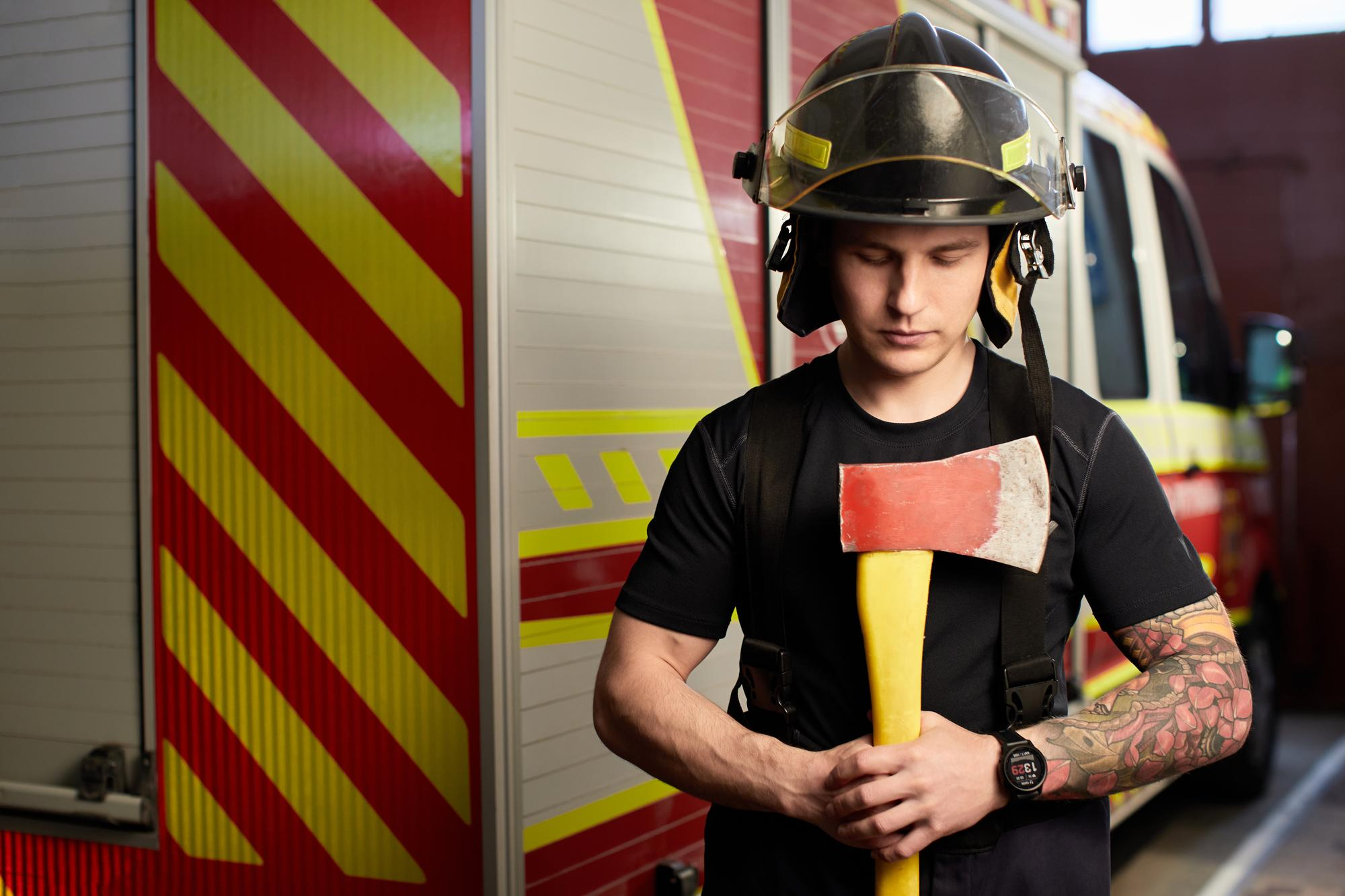
Why Fire Watch Guards Are Essential for Construction Sites
Construction Sites: A Fire Hazard Hotspot
Construction sites are inherently risky environments when it comes to fire. Various factors such as welding activities, the use of flammable materials (e.g., paints, solvents, and fuels), and temporary structures all increase the risk of fire breaking out. While fire prevention systems like sprinklers and alarms can help, they aren't always sufficient, especially during high-risk operations or when systems fail. This is where fire watch guards come in.
A fire watch guard is specifically trained to monitor a construction site for potential fire hazards, respond to emergencies, and prevent fires from escalating. They are often the first line of defense in protecting the site from a fire disaster.
Real-World Scenario: Fire Watch Guards in Action
A Construction Site Story
Imagine a major commercial construction project underway in a densely populated area. The site is busy with workers performing hot work such as welding and cutting steel beams. Sparks fly from the welding process, landing near a pile of combustible materials like wooden planks and insulation. Without the presence of a fire watch guard, a spark could easily ignite a fire that could spread quickly, potentially destroying equipment, harming workers, and halting the entire project.
However, in this scenario, a trained fire watch guard is stationed on-site. The guard notices the smoke coming from the ignited materials, immediately takes action, and uses a fire extinguisher to put out the small flame before it can spread. Thanks to the quick response, the fire is contained, and the workers remain safe.
This real-world scenario demonstrates the importance of having fire watch services on-site during construction activities. Their swift action prevents what could have been a catastrophic situation.
What Do Fire Watch Guards Do?
Their Responsibilities on Construction Sites
Fire watch guards are tasked with a set of responsibilities that are critical to ensuring fire safety on construction sites:
-
Continuous Monitoring
Fire watch guards are constantly vigilant, patrolling high-risk areas where sparks, heat, or open flames may pose a danger. They keep an eye on welding operations, electrical equipment, and flammable materials to ensure no potential fire hazards go unnoticed.
-
Fire Detection and Response
The primary duty of a fire watch guard is to detect fires early. If a fire occurs, the guard must alert emergency responders, activate fire alarms, and extinguish small fires using appropriate fire suppression tools such as extinguishers.
-
Safety Assistance
In the event of an emergency, fire watch guards assist with the evacuation of workers and ensure everyone follows established evacuation routes safely.
-
Documentation
Fire watch guards maintain detailed logs, documenting their activities, areas monitored, and any hazards encountered. This documentation is essential for compliance and post-incident evaluations.
When Are Fire Watch Guards Required on Construction Sites?
Legal Fire Watch Requirements
In certain situations, the deployment of fire watch guards is not optional—it’s required by law. Key scenarios include:
-
Hot Work Operations
Hot work operations, such as welding, grinding, and cutting, generate sparks or heat that can ignite nearby combustible materials. According to OSHA and the NFPA (National Fire Protection Association), fire watch guards are required during these activities to ensure that any sparks or flames don’t result in a larger fire.
-
System Failures
If fire detection or suppression systems like sprinklers or fire alarms are not working (due to maintenance or malfunction), fire watch guards must be deployed to monitor the site until the systems are repaired and operational.
-
Temporary Structures
Construction sites often use temporary buildings, scaffolding, and tents, which may lack the robust fire protection systems of permanent structures. In these cases, fire watch guards are required to monitor for any fire hazards.
-
Presence of Flammable Materials
When chemicals, oils, paints, or other flammable substances are being used or stored, fire watch services are essential. These materials pose a high risk of ignition, and fire watch guards help ensure they are handled safely.
The Importance of Compliance: Fire Safety Standards on Construction Sites
Fire Safety Regulations: A Must-Have for Every Site
OSHA and NFPA have established strict guidelines regarding fire safety on construction sites. Failure to comply with these regulations can result in significant fines, project delays, and even legal action. Fire watch guards are essential to staying compliant with these regulations. Here’s a breakdown of the compliance requirements:
OSHA Standards: OSHA mandates that fire watch guards be present during hot work operations. These standards are designed to ensure that workers are protected from fire hazards during high-risk activities.
NFPA Guidelines: The NFPA 51B standard outlines fire watch requirements during hot work, including the roles and responsibilities of fire watch guards. The standard ensures that businesses maintain fire safety during activities that generate sparks or heat.
Local Fire Marshal Regulations: Local fire authorities may have additional regulations based on the region or type of construction. It’s essential to stay up-to-date with these local regulations to ensure full compliance.
What Happens if You Don’t Have Fire Watch Guards?
The Risks of Skipping Fire Watch Services
Fire watch guards are essential to preventing fire-related accidents on construction sites. Ignoring the need for fire watch services can result in:
-
Fines and Penalties
Failure to comply with OSHA and NFPA regulations can result in hefty fines and legal consequences. For example, not having fire watch guards during hot work can lead to penalties from regulatory authorities.
-
Project Delays
If a fire breaks out due to lack of fire watch monitoring, construction activities may come to a halt for inspections, repairs, and investigations. These delays can be costly and may push project timelines well beyond the initial estimates.
-
Property Damage and Loss
The lack of fire watch services increases the likelihood of significant fire damage to equipment, materials, and the site itself. The costs of rebuilding and replacing destroyed property can be astronomical.
-
Liability for Injuries
In the event of a fire, a company without proper fire safety measures may be held liable for injuries or fatalities. This can lead to expensive lawsuits and higher insurance premiums.
How to Choose the Right Fire Watch Provider for Your Construction Site
Making the Right Choice: Tips for Hiring a Fire Watch Service
Selecting the right fire watch provider is essential to keeping your construction site safe. Here are some factors to consider:
-
Experience in Construction Sites
Choose a provider with specific experience working on construction sites. They should understand the unique fire risks associated with construction activities and know how to handle them effectively.
-
Compliance Knowledge
Your fire watch provider should be well-versed in OSHA, NFPA, and local fire regulations to ensure your site remains compliant and safe.
-
24/7 Availability
Fire hazards don’t operate on a 9-to-5 schedule, so your provider should offer round-the-clock fire watch services, especially during high-risk activities.
-
Certifications and Training
Ensure that the fire watch guards are properly trained and certified in fire suppression, detection, and emergency response. Well-trained guards are more effective at preventing and managing fire risks.
For more information on fire watch services and to find qualified professionals, consider visiting Fire Watch Guards Near Me.
Conclusion: Fire Watch Guards Keep Construction Sites Safe
Fire watch guards are a vital part of fire safety on construction sites. From ensuring compliance with OSHA and NFPA regulations to preventing property damage and protecting workers from fire hazards, their role cannot be overstated. Construction projects are inherently risky, but with the right fire safety measures in place, including fire watch services, you can ensure that those risks are minimized.
By hiring a professional fire watch provider, you’re not just following the law—you’re taking a proactive step to ensure the safety of your employees, your equipment, and your project timelines. Don’t wait until it’s too late—ensure your site has the protection it needs to prevent fire disasters.