Text & media
Elegant Teak Garden Tables for Stylish and Durable Outdoor Spaces
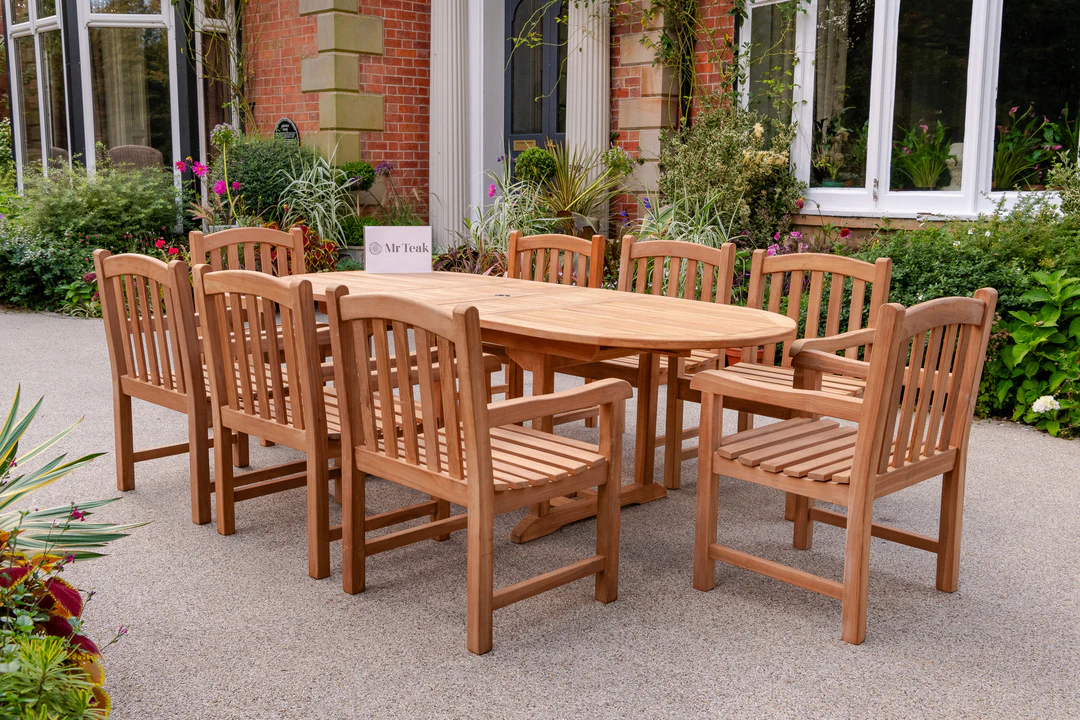
Elegant teak garden tables that bring style and durability to your outdoor space are outdoor tables made of solid teak wood, prized for its rich color, natural oils and longevity in many climates. These tables tend to resist rot, warping, and pests, even with daily use. Each has several designs to fit various yard sizes, from patios to sizable decks. The following sections explore varieties, maintenance suggestions, and selecting the perfect table.
Why Choose Teak Tables?
Teak garden tables appeal to those who desire outdoor furniture with a serene, refined appearance and can be left outdoors all year round without concern.
Resists rain, sun, and humidity
Naturally tough against insects and decay
Keeps its shape in hot and cold climates
If left untreated, it ages into a soft, silver-grey patina.
Works with both modern and classic outdoor styles
Often available from certified, well-managed forests
Holds value and can be resold after many years
Needs little care to stay strong and stable
1. Natural Resilience
Teak’s natural wood oils penetrate not just the surface, but deep through the grain, which causes the wood to shed water rather than absorb it and makes the timber less tempting to termites and other wood-boring pests. The dense grain and tight fibers keep the table flat and steady in strong sun, heavy downpours, or salty coastal air, which is why you’ll often see teak benches and tables in hotel poolsides or public parks that still feel rock solid after years of wear. Wood moves very little, joints stay firm, screws stay tight, and the top is less likely to cup, crack, or split, which is why a teak table can lounge outdoors for decades and still hold up to your Sunday picnic, work-from-home zoom background, or weekend BBQ.
2. Timeless Aesthetic
New teak offers a warm golden-brown hue and a delicate, silky texture that fits in everywhere and anywhere.
It complements sleek metal chairs on a contemporary city balcony, yet sits effortlessly next to stone paths, terracotta pots, or flourishing green gardens. Over time, untreated teak gradually fades to a soft silver-grey that many select deliberately because it harmonizes with natural surroundings and exudes a calm, well-worn appearance. Just one teak dining table can ground a tiny patio or rooftop terrace and serve as the centerpiece that ties together eclectic chairs, planters, and lighting.
3. Sustainable Choice
A lot of teak garden tables these days originate from managed plantations where trees are replanted and traced instead of wild forests. This helps regulate the effects on local ecosystems sustainably. By opting for a hardy hardwood like teak rather than plastic or inferior-grade softwood, you’re reducing waste as a single quality table can replace a handful of lesser sets that might crack, fade, or break after just a few seasons. When comparing brands, it’s helpful to see if they disclose information about their sourcing, replanting programs, and worker conditions in addition to pictures of the furniture’s aesthetic. The FSC label is one of the easiest indications that the wood has been sourced with verified standards.
4. Value Retention
Teak preserves both its durability and aesthetic for years to come, even with day-to-day use, so your table’s top may develop superficial markings while its frame remains solid. Since quality teak tables are in consistent demand, they typically retain a high resale value on used furniture markets, balancing the higher initial investment. Softwoods and many composite boards bow, peel, or rot much earlier, resulting in repair expenses or replacement. For anyone committed to a home or garden for the long haul, a teak table is more of a one-and-done, long-range investment than a quick fix.
5. Minimal Upkeep
Teak is easy to maintain on a daily basis. Most of the time, a soft brush or cloth and mild soap in clean water will be enough to wipe away dust, pollen, or the occasional food stain from those al fresco dining experiences. The wood doesn’t require sealing, varnish, or special oils to remain structurally sound outside, even under blazing sun or rain. This significantly cuts cost and maintenance over the years. If the top gets rough from hard use, a fast, light sanding will smooth it out again before another season. The naturally occurring oils in the wood continue working without supplementation, so upkeep turns into an occasional activity instead of a daily grind.
The Craftsmanship Behind Elegance
Teak garden tables rely on robust craft, meticulous design, and premium wood. They remain sturdy, sophisticated, and beautifully weather over time in open-air environments.
Joinery Techniques
Makers frequently utilize mortise-and-tenon joints, in which a formed “tenon” on one element inserts into a corresponding “mortise” on another. This design distributes weight throughout the frame, so extended tables remain unyielding even when guests lean on the edges or set heavy serving dishes in the middle. Quality joinery holds legs square, tabletops level, and frames tight, reducing the likelihood of wobble as the wood contracts and expands with heat and rain.
Clean joints reduce stress on metal parts as well. With frames fitting with tight tolerances, they need fewer brackets, screws, and nails. Most premium teak tables conceal fasteners or employ them exclusively within the frame, so your table surface is stunningly clean.
Wood Grading
Our grade A teak is sourced from the dense heartwood near the center of mature trees. Its golden-brown warmth, tight grain, and natural oil content make it resistant to rain, sun, and insects for years. For the majority of purchasers, this grade offers the optimal combination of neat appearance and durability.
Grade B teak generally comes from outer heartwood. It might exhibit greater color variation, mixed grain, and slightly less oil, so it can still be used for side tables or items kept under a cover. Grade C is sapwood and has more knots, lighter patches, and less durability. It is ideal for short-term or low-use furniture.
When shopping, it’s useful to request a transparent grade chart or written specs so that the purported grade, origin, and cost align.
Finishing Touches
Initial sanding knocks down grain and rounds edges so they are comfortable to the touch and won’t catch on fabric.
An oil or sealant then soaks into the wood, accentuates the grain pattern, and creates a barrier against drink, food, or pollen stains.
UV-protective topcoats may slow down greying in intense sun, a handy feature in blazing, luminous locales.
In humid or rainy areas, a lot of folks opt for a more sealed finish that blocks moisture. In mild or dry areas, a simple teak oil will do and is easier to re-apply.
Prior to purchasing, it’s helpful to run your hand across the edges and underneath of the table. A properly finished piece will be smooth to the touch, with no sharp corners, drips, or rough spots. The color will appear uniform across leaves, extensions, and legs.
Designing Your Outdoor Sanctuary
Design begins from the entire space, not just the table. Consider how you walk, lounge, grill, and entertain alfresco and then design the space around those habits so your teak table backs them up. Figure the dimensions in meters, sketch out main zones such as dining and lounging, and consider how the table will align with views, doors, and paths. Just be sure to leave enough space to walk, pull out chairs, and still feel serene, not squeezed.
Space Integration
See how the sun travels over your garden. A dining table that bakes in full midday sun may feel harsh, but deep shade can feel damp or dark. Keep in mind wind, noise, and how people walk through the space so your table doesn’t block doors, paths, or grill access.
Deep, narrow patios tend to work best with a rectangular or oval teak table set up against the wall to maintain a clear middle passageway. Small balconies, roof decks or tucked-away corners come alive better with round or square tables that feel more intimate and less wasteful of space.
For visitors, modular concepts assist. Two small square teak tables can connect to form one long surface for a big meal, then separate and become side tables when you’re in the mood for a quiet evening.
A quick hand sketch, even on plain paper, lets you visualize how everything will fit before you purchase or move heavy pieces.
Style Pairing
Teak is a great companion to many textures. Slender black metal chairs add a sleek, contemporary flair. Wicker chairs give it a more relaxed, lounge atmosphere. Stone planters or a low concrete bench add a grounded, calm note to counterbalance the warm wood.
Design your outdoor sanctuary. A minimalist, linear teak table mirrors minimalist, linear glass doors or flat roofs. Tapered legs and softer corners on a table suit homes with arches, shutters, or classic brick.
Materials: powder-coated steel, woven rattan, ceramic, linen, concrete
Colors: warm neutrals, soft grey, deep green, muted blue, charcoal
Functional Layouts
Comfort requires room to gesticulate. Shoot for a minimum of 90 cm around the table, so guests can slide chairs back and walk behind each other without bumping elbows. In more constricted spaces, install benches on one side. They slide completely under the table, opening up the floor.
Benches and stack chairs allow you to scale up or down. Stackable metal or resin chairs tuck away nicely when not in use. A long teak bench nestled against a low wall can double as additional seating for larger groups.
Side tables or a lean serving cart keep drinks, dishes, or lanterns off the primary surface. A wheeled cart rolls from the kitchen to the table and then pivots into a corner as a bar or a plant stand.
Cluster the dining table, a few loungers, and perhaps a coffee table near enough so that you can have people spanning zones talking to each other without yelling.
The Teak Aging Process
Teak is one of the rare outdoor woods that actually gets better with age. New teak begins warm honey-gold, then gradually turns cool, silvery-gray with sun, rain and air. This transition is primarily external, with natural oils migrating inward and the outer fibers weathering, so the table maintains its integrity even as the hue evolves. How quickly it transpires is influenced by elements such as climate, direct sun and how frequently you wash or seal the wood. In bright sun and open air, a table can begin to turn gray in a matter of months, while in shaded or protected locations, the transformation might be gradual and patchy. Owners can direct this to retain more of the initial gold or let full, even patina develop. Many chronicle the transformation with photos to compare season to season.
The Silver Patina
Mature teak frequently exhibits a gentle, matte silver-gray patina which complements stone, concrete, and natural fabrics, making it suitable for numerous garden and terrace aesthetics without being overbearing.
That gray patina is generally an indication of authentic teak with sufficient natural oil to weather outside, not an indication of age or fragility. Your wood underneath stays dense and stable, so even after years of color change, your table is still strong. A light cleaning with mild soap and water, accompanied by a soft brush, is usually sufficient to maintain a clean surface while retaining the look of age.
Preserving Color
To maintain that traditional golden hue, many owners seasonally apply a teak oil or water-based teak sealer, wiping it on in thin coats and removing excess so it doesn’t become tacky.
UV-protective sealants can slow down the fade by blocking some sunlight, which helps keep the color more even across the top and legs. Storing the table under a roof, balcony, or simple cover cuts both sun and rain, which means less drastic change between seasons. A basic yearly care routine—clean, dry, then seal—tends to give the most steady results.
Weather Impact
Rain, while washing away dust and pollen, raises small surface fibers which will cause the wood to have a slightly rough texture initially. Direct sun accelerates the loss of golden color, particularly on broad, flat surfaces that receive exposure all day.
Even in humid climates, teak’s oil content aids in resisting rot, mildew, and insects, so the table remained sound when other woods might have swollen or softened. Small hairline cracks, frequently at board ends or close to joints, naturally occur as the wood acclimates to changes in heat and moisture and are not typically an indicator of damage. In more intense heat, hard rain, snow, or storms, a breathable outdoor cover provides a nice additional layer of protection and buffers against the quickest transitions.
Beyond the Table Itself
A teak garden table is optimal as the key to a complete outdoor arrangement, rather than as a solitary element. Seating, lighting, and textiles all conspire to mold how the space looks, feels, and functions on a daily basis.
Seating Options
Seating establishes the pace at which people interact with your teak table. Classic teak armchairs impart a formal dining-room air al fresco and age beautifully alongside the table as the two take on the same silver patina. Benches in solid teak or with metal legs accommodate more guests along the sides, which works well for elongated narrow patios and family-style dining. Mixed-material seating, like powder-coated steel frames with teak armrests or rattan-style chairs with a teak table, adds contrast and keeps the setting from feeling flat.
Cushions alter the comfort level in an obvious manner. Slim seat pads in neutral tones keep the attention on the wood grain, while chunkier cushions in deep green or rust can reflect adjacent foliage or brick. Removable covers assist with cleaning and allow you to change colors without altering the furniture.
For tighter spaces or that dreaded winter season, stackable or foldable chairs in teak and aluminum are space-saving and still complement the table’s warm tone.
Lighting Choices
Lighting defines the mood of our teak table after dark. Warm string lights above or along a wall frame the table and provide even, soft light that flatters the wood. Lanterns at center or down on the ground near chair legs bring your eye to the table’s edges and legs. This is perfect with sculpted bases or thick, solid tops.
Solar lamps along walkways or borders lead guests toward the table and eliminate the requirement of wiring. Dimmable wall lights or floor lamps in the proximity maintain the space adaptable and radiant enough for reading or board games, then lower for hushed drinks. All fixtures must be outdoor-rated and feature sealed bulbs, rust-resistant bodies, and cables elevated from the ground where water may puddle.
Conclusion
Elegant teak garden tables add style to your outdoor space. They withstand sun, rain, and everyday wear and tear. They show a calm, smooth aging. They suit tiny patios, expansive decks, and communal yards.
Here’s a little secret about great outdoor entertaining: a well-made teak table turns a ho-hum spot into a real hangout. Friends lean in. Kids open up games. Meals stretch just a little longer. Nights are languorous and gentle.
To select your own, begin with how you live — not just how the table appears. Consider size, shape and your entertaining style. Then select a piece that suits your space and your cadence. Let your outdoor nook evolve around it.